
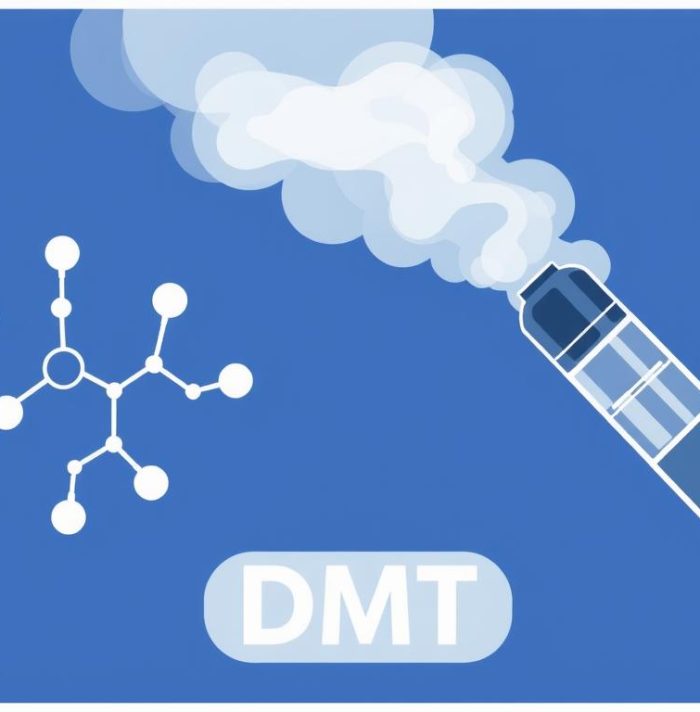
DMT vape pens have surged in popularity as a convenient way to experience intense psychedelic effects. But while traditional wisdom suggests psychedelics aren’t addictive, the combination of DMT’s powerful effects and the ease of vaping raises important questions. Can these devices lead to dependence? What does science tell us about DMT’s addiction potential? This comprehensive guide examines the neurochemistry, risks, and evidence-based harm reduction strategies for DMT vape users.
DMT’s molecular structure and modern vaping devices have made this powerful psychedelic more accessible
What is DMT and How Does It Work in the Brain?
N,N-Dimethyltryptamine (DMT) is a naturally occurring psychedelic compound found in certain plants and produced in small amounts by the human body. Often called the “spirit molecule,” DMT creates profound alterations in perception, thought, and consciousness when consumed.
When DMT enters the bloodstream through vaping, it rapidly crosses the blood-brain barrier and primarily affects serotonin receptors, particularly the 5-HT2A receptor. This interaction triggers a cascade of neurochemical changes that alter perception and consciousness, often resulting in vivid visual hallucinations, altered sense of time, and profound psychological experiences.
Unlike many other psychoactive substances, DMT works by temporarily disrupting the brain’s default mode network (DMN), which normally regulates our sense of self and reality. This disruption can create experiences of ego dissolution and mystical states that users often describe as life-changing.
DMT Vape Pens: A Modern Delivery Method
DMT vape pens contain DMT in liquid form, allowing users to inhale vaporized DMT through a small, portable device. This method offers several key differences from traditional consumption methods:
- Rapid onset of effects (typically within seconds)
- Precise dose control compared to smoking
- Convenience and discretion
- Elimination of harsh smoke
- Shorter duration of effects (typically 5-20 minutes)
These characteristics make DMT vaping particularly appealing to users seeking brief but intense psychedelic experiences. However, they also raise unique concerns about potential patterns of use and addiction risk.
The Addiction Potential of DMT: What Science Tells Us
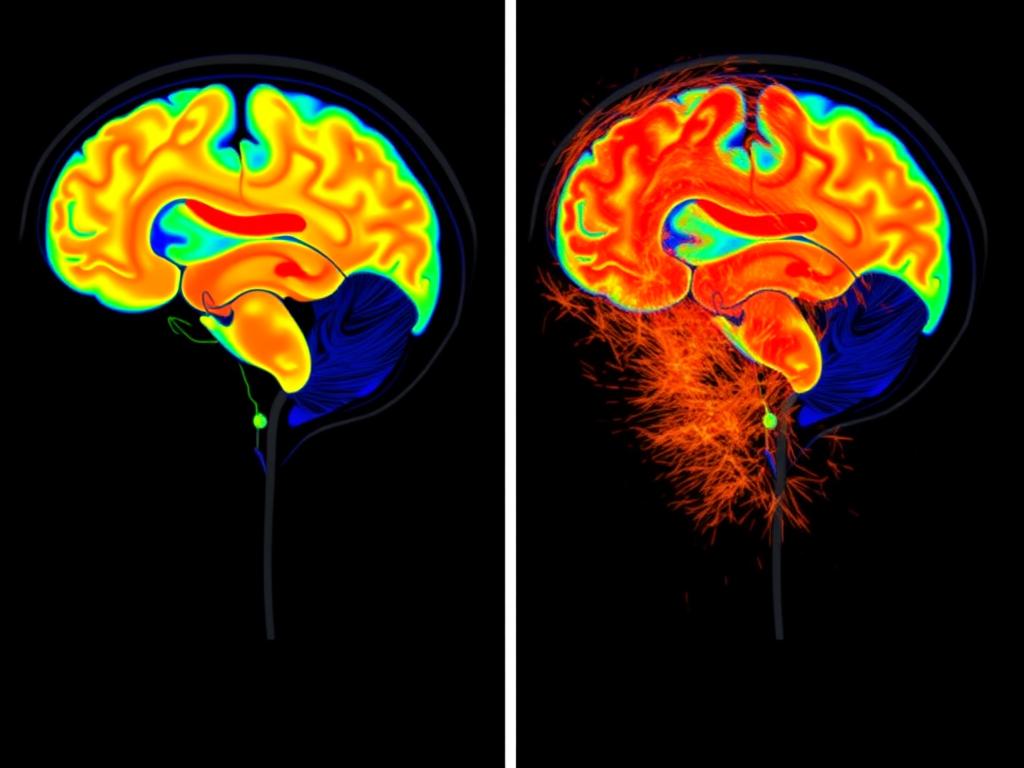
Neuroimaging studies show how DMT affects serotonin receptor activity in the brain
The question of whether DMT vapes can cause addiction requires examining several factors that contribute to substance dependence. Current research provides some insights, though studies specifically on DMT vaping remain limited.
Neurochemical Effects and Tolerance
Unlike substances with high addiction potential such as opioids or stimulants, DMT does not directly activate the brain’s reward pathways by flooding the system with dopamine. Instead, its primary action is on serotonin receptors, which typically poses a lower risk for developing compulsive use patterns.
Research indicates that DMT users develop tolerance rapidly when used frequently, but this tolerance also dissipates quickly. This phenomenon, known as tachyphylaxis, means that repeated use in short time frames becomes less rewarding, potentially limiting binge behavior.
“DMT doesn’t create physical dependence in the way that opioids or alcohol do. However, any substance that produces profound psychological effects can lead to psychological dependence in some individuals, especially when delivery methods make frequent use possible.”
Withdrawal and Physical Dependence
Current evidence suggests that DMT does not produce significant physical withdrawal symptoms when use is discontinued. Users typically don’t experience the physical discomfort, cravings, or physiological disturbances associated with substances like alcohol, benzodiazepines, or opioids.
However, this doesn’t mean DMT use is without risks. Some users report psychological after-effects, including mood changes, sleep disturbances, or lingering perceptual alterations after heavy or frequent use.
How Vaping as a Delivery Method Impacts Addiction Risk
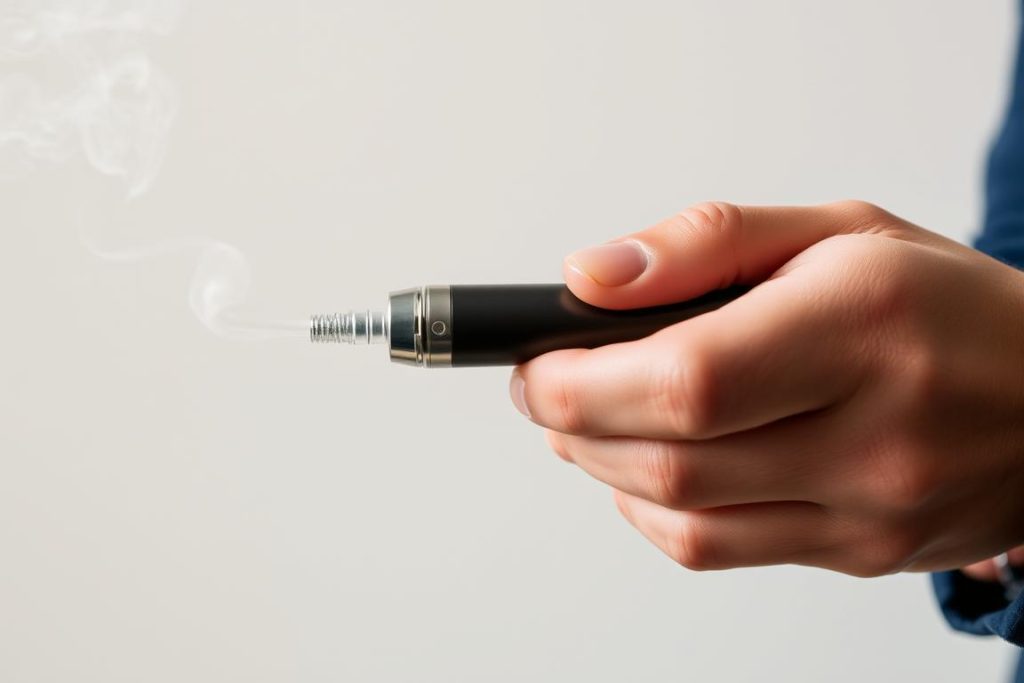
Vaping delivers DMT directly to the bloodstream, creating a rapid onset of effects
The method of consumption significantly influences a substance’s addiction potential. Vaping DMT introduces several factors that may increase psychological dependence risk compared to traditional methods:
Rapid Onset and Intensity
Vaping delivers DMT to the bloodstream almost immediately, producing effects within seconds. This rapid onset creates a more intense experience and stronger association between the act of consumption and the reward, potentially strengthening habit-forming patterns.
Ease of Repeated Use
The convenience of vape pens removes barriers to repeated use. Unlike ayahuasca ceremonies or even smoking DMT, which require preparation, vaping can be done quickly and discreetly, potentially enabling more frequent consumption patterns.
Dose Control and Consistency
Vape pens offer more precise dosing than other methods, allowing users to titrate their experience. While this can promote safer use, it may also enable users to find their “perfect dose” more easily, potentially encouraging regular use.
Reduced Harm Perception
The clean, modern appearance of vape pens and the elimination of harsh smoke may reduce harm perception among users, potentially leading to more casual or frequent use patterns than would occur with traditional consumption methods.
Important Safety Note: DMT vape pens purchased illicitly may contain unknown substances, inconsistent potency, or harmful additives. The unregulated nature of these products introduces additional risks beyond those associated with DMT itself.
Comparing DMT’s Addiction Profile to Other Substances
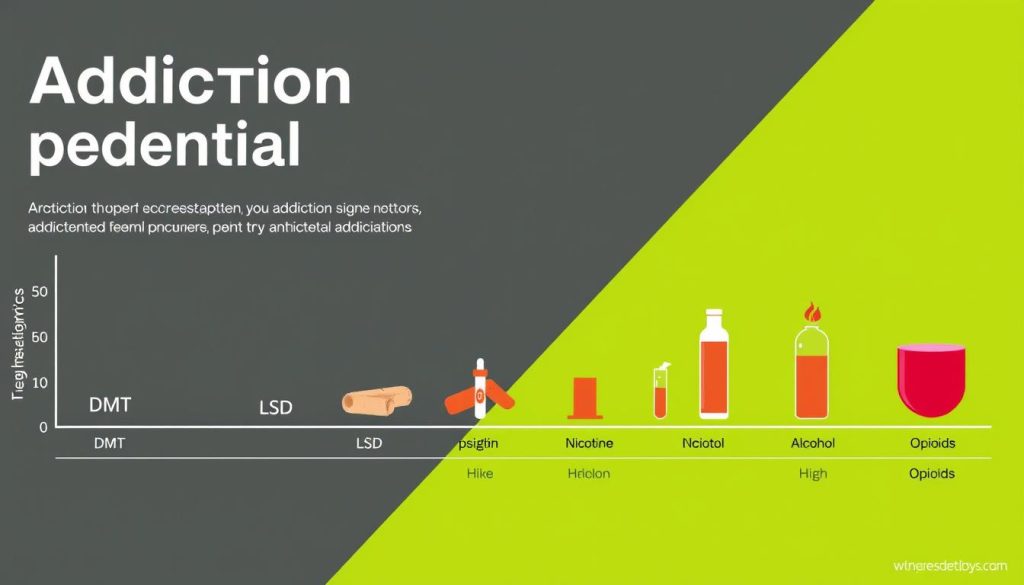
Relative addiction potential comparison between common substances
Understanding DMT’s addiction potential requires contextualizing it among other substances. This comparison helps clarify the unique risks associated with DMT vapes.
DMT vs. Other Psychedelics
Like other classic psychedelics such as LSD and psilocybin, DMT has a low potential for physical dependence. All three substances primarily affect serotonin receptors rather than dopamine pathways associated with addiction. However, DMT’s shorter duration and the convenience of vaping may make it more conducive to frequent use than other psychedelics.
| Substance | Physical Dependence | Psychological Dependence | Tolerance | Duration |
| DMT (vaped) | Low | Low-Moderate | Rapid but short-lived | 5-20 minutes |
| LSD | Low | Low | Rapid (develops within days) | 8-12 hours |
| Psilocybin | Low | Low | Moderate | 4-6 hours |
DMT vs. Common Addictive Substances
Compared to substances with high addiction potential like nicotine, opioids, or stimulants, DMT presents significantly lower risks of physical dependence and compulsive use. However, the psychological impact of intense DMT experiences can still lead to problematic use patterns in some individuals.
“The addiction potential of DMT is substantially lower than that of alcohol, opioids, or stimulants. However, the psychological intensity of DMT experiences combined with the convenience of vaping could potentially lead to patterns of problematic use in vulnerable individuals.”
Warning Signs of Problematic DMT Vape Use

Recognizing signs of problematic use is crucial for harm reduction
While DMT may not create physical dependence like other substances, certain patterns of use can indicate problematic relationships with DMT vaping. Being aware of these warning signs can help users and their loved ones identify when use has become unhealthy.
Behavioral Warning Signs
- Using DMT to escape from negative emotions or problems
- Increasing frequency of use over time
- Failed attempts to cut down or control use
- Spending significant time obtaining, using, or recovering from DMT
- Neglecting responsibilities or activities previously enjoyed
Psychological Warning Signs
- Persistent anxiety or mood changes between DMT sessions
- Feeling that reality is less meaningful without DMT
- Experiencing cravings or strong urges to use DMT
- Continued use despite negative psychological consequences
- Using DMT in increasingly risky situations
Concerned About Your DMT Use?
If you recognize several of these warning signs in yourself or someone you care about, speaking with a substance use specialist can provide clarity and support. Many treatment providers offer confidential assessments without judgment.
Harm Reduction: Safety Tips for DMT Vape Users

Harm reduction approaches can significantly reduce risks for those who choose to use DMT
For those who choose to use DMT vapes, harm reduction strategies can significantly decrease risks. These evidence-based approaches focus on minimizing potential harms rather than simply advocating abstinence.
Frequency Guidelines
Research suggests that spacing DMT experiences allows for psychological integration and reduces risks of adverse effects. Consider limiting use to once every few weeks rather than multiple times per week. This approach respects the profound nature of the experience while reducing potential for psychological dependence.
Set and Setting
Mindset Preparation
- Avoid using DMT to escape negative emotions
- Set clear intentions before each experience
- Avoid use during periods of psychological instability
- Practice meditation or grounding techniques beforehand
Environmental Considerations
- Use in a comfortable, familiar environment
- Have a sober, trusted person present
- Remove potential hazards from the space
- Create a calm atmosphere with minimal stimulation
“The most effective harm reduction approach for DMT use is having a trusted sitter present who understands the experience but remains sober. This person can provide reassurance during challenging moments and ensure physical safety throughout the experience.”
Integration Practices
Many experts believe that proper integration of psychedelic experiences reduces the desire for frequent use. After DMT experiences, consider:
- Journaling about insights and experiences
- Discussing the experience with trusted friends or support groups
- Implementing any meaningful realizations into daily life
- Allowing adequate time between experiences for reflection
Substance Testing: If you choose to use DMT vapes, consider using drug checking services where available to verify content and purity. Many illicit DMT vape products may contain unknown substances or dangerous additives.
DMT Vapes and Mental Health Conditions

Professional guidance is essential for those with underlying mental health conditions
The relationship between DMT use and mental health conditions is complex. For individuals with certain mental health conditions, DMT vaping may pose additional risks that should be carefully considered.
Potential Benefits Reported
- Some users report reduced depression symptoms after meaningful experiences
- Potential for insights that aid in therapeutic progress
- Preliminary research suggests possible applications for treatment-resistant conditions
Significant Risks
- May trigger or worsen psychosis in vulnerable individuals
- Can exacerbate anxiety or panic disorders
- Potential for depersonalization or derealization disorders
- Risk of HPPD (Hallucinogen Persisting Perception Disorder)
Individuals with a personal or family history of psychosis, schizophrenia, bipolar disorder, or severe anxiety should approach DMT with extreme caution, if at all. The intense nature of DMT experiences can potentially trigger latent mental health conditions or worsen existing symptoms.
Medical Contraindications: DMT can interact dangerously with many psychiatric medications, particularly MAOIs, SSRIs, and antipsychotics. Always consult with a healthcare provider about potential interactions before using DMT if you take any medications.
Expert Perspectives on DMT Addiction Potential

Addiction specialists continue to research DMT’s unique properties
The scientific community holds varying perspectives on DMT’s addiction potential, particularly in vaporized form. Here’s what experts in the field have to say:
“While DMT doesn’t create dependence through the same mechanisms as substances like cocaine or heroin, the psychological intensity of the experience combined with the ease of vaping could potentially lead to problematic use patterns in some individuals. We need more research specifically on vaporized DMT use patterns.”
“From a harm reduction perspective, DMT vapes present a mixed picture. While the substance itself has low physical addiction potential, the delivery method removes many barriers to frequent use. Users should approach with caution and set clear boundaries around frequency of use.”
“In my clinical practice, I’ve observed that while few patients develop classic addiction to DMT, some develop unhealthy psychological relationships with the substance, using it as an escape rather than a tool for growth. The convenience of vape pens may facilitate this pattern.”
Treatment Options for Problematic DMT Use

Support groups and therapy can help address problematic substance use patterns
For individuals who develop problematic relationships with DMT vapes, several treatment approaches have shown effectiveness. Unlike treatments for physical dependence, interventions focus primarily on psychological patterns and underlying issues.
Therapeutic Approaches
- Cognitive Behavioral Therapy (CBT) – Helps identify and change thought patterns that lead to problematic DMT use
- Mindfulness-Based Relapse Prevention – Teaches awareness techniques to manage cravings and triggers
- Motivational Enhancement Therapy – Strengthens motivation to change use patterns
- Integration Therapy – Helps process and integrate insights from psychedelic experiences
Need Help With Substance Use?
If you’re concerned about your relationship with DMT or other substances, professional support is available. Many treatment providers offer specialized approaches for psychedelic use concerns.
Or call our confidential helpline: 1-800-662-HELP (4357)
Support Resources
Several organizations provide information and support specifically for psychedelic use concerns:
- Fireside Project – Psychedelic Peer Support Line
- MAPS Integration List – Therapists specializing in psychedelic integration
- Psychedelic Support – Educational resources and professional network
- Harm Reduction Coalition – Evidence-based approaches to safer use
Evidence-Based Recommendations

Evidence-based approaches can inform both policy and personal decisions
Based on current research and expert consensus, here are evidence-based recommendations regarding DMT vapes:
For Users and Potential Users
- Approach DMT with careful research and preparation
- Set clear boundaries around frequency of use (e.g., no more than once monthly)
- Always use with a sober, trusted companion present
- Avoid use if you have personal or family history of psychosis or severe mental health conditions
- Integrate experiences through journaling, discussion, or therapy
- Be aware of legal risks, as DMT remains a Schedule I substance in the United States
For Healthcare Providers
- Develop familiarity with psychedelic effects and integration approaches
- Screen for psychedelic use in non-judgmental ways
- Recognize that problematic DMT use may differ from classic addiction presentations
- Consider harm reduction approaches for patients who continue to use
For Policy Considerations
- Support research into DMT’s therapeutic potential and risk profiles
- Consider public health approaches that prioritize education and harm reduction
- Develop evidence-based regulations that acknowledge DMT’s unique risk profile
Conclusion: A Balanced Perspective on DMT Vapes

A mindful, informed approach offers the best path forward
DMT vapes present a complex picture when it comes to addiction potential. While DMT itself has low physical dependence risk compared to many other substances, the convenience and rapid delivery of vape pens may increase the potential for psychological dependence in some users.
The most balanced approach acknowledges both DMT’s relatively low addiction profile and the real risks that can emerge from uninformed or frequent use. By understanding the neurochemistry, recognizing warning signs, and implementing harm reduction strategies, users can make more informed decisions about DMT vaping.
For those concerned about their DMT use or the use of a loved one, remember that support is available. Many treatment providers now offer specialized approaches for psychedelic-related concerns that focus on integration and psychological well-being rather than traditional addiction models.
Questions About Substance Use?
Our confidential assessment can help determine if your substance use patterns are cause for concern. Speak with a specialist who understands psychedelic substances and their unique effects.
Ultimately, the question “Can DMT vapes cause addiction?” doesn’t have a simple yes or no answer. The potential for problematic use exists, particularly with convenient vaping methods, but varies greatly based on individual factors, use patterns, and context. With proper education, harm reduction practices, and respect for this powerful substance, many of the risks associated with DMT vaping can be significantly reduced.
Frequently Asked Questions
Is DMT physically addictive?
Current research indicates that DMT has low potential for physical dependence. Unlike substances such as opioids, alcohol, or benzodiazepines, DMT does not produce significant physical withdrawal symptoms when discontinued. However, psychological dependence is possible, particularly with frequent use.
How often can you use DMT vapes safely?
There is no definitively “safe” frequency, as individual responses vary greatly. However, harm reduction specialists generally recommend spacing DMT experiences at least several weeks apart to allow for psychological integration and to reduce the risk of developing problematic use patterns. Using DMT multiple times per week is generally considered high-risk behavior.
Can DMT vapes cause long-term mental health problems?
For some individuals, particularly those with pre-existing mental health conditions or a family history of psychosis, DMT use may contribute to long-term mental health challenges. These can include persistent anxiety, depersonalization/derealization disorders, or Hallucinogen Persisting Perception Disorder (HPPD). However, many users do not experience lasting negative effects.
Are DMT vapes legal?
No, DMT is classified as a Schedule I controlled substance in the United States, making DMT vapes illegal to manufacture, distribute, possess, or use. Similar prohibitions exist in most countries worldwide, though legal status varies by jurisdiction.
